A young game has reached the top tier of marketplace attention
One Piece Card Game entered 2026 with strong secondary-market momentum and a growing release calendar. Industry coverage citing TCGplayer marketplace data placed One Piece third by gross merchandise value in late 2025 and again in early 2026, behind Magic and Pokémon and ahead of Yu-Gi-Oh! in that specific channel.
That is an important milestone for a game launched in English in 2022, but it is not a worldwide player census. Gross merchandise value measures dollars sold through a marketplace; it can rise because of expensive chase cards, more transactions, new releases, or all three.
Collector demand and competitive play reinforce each other
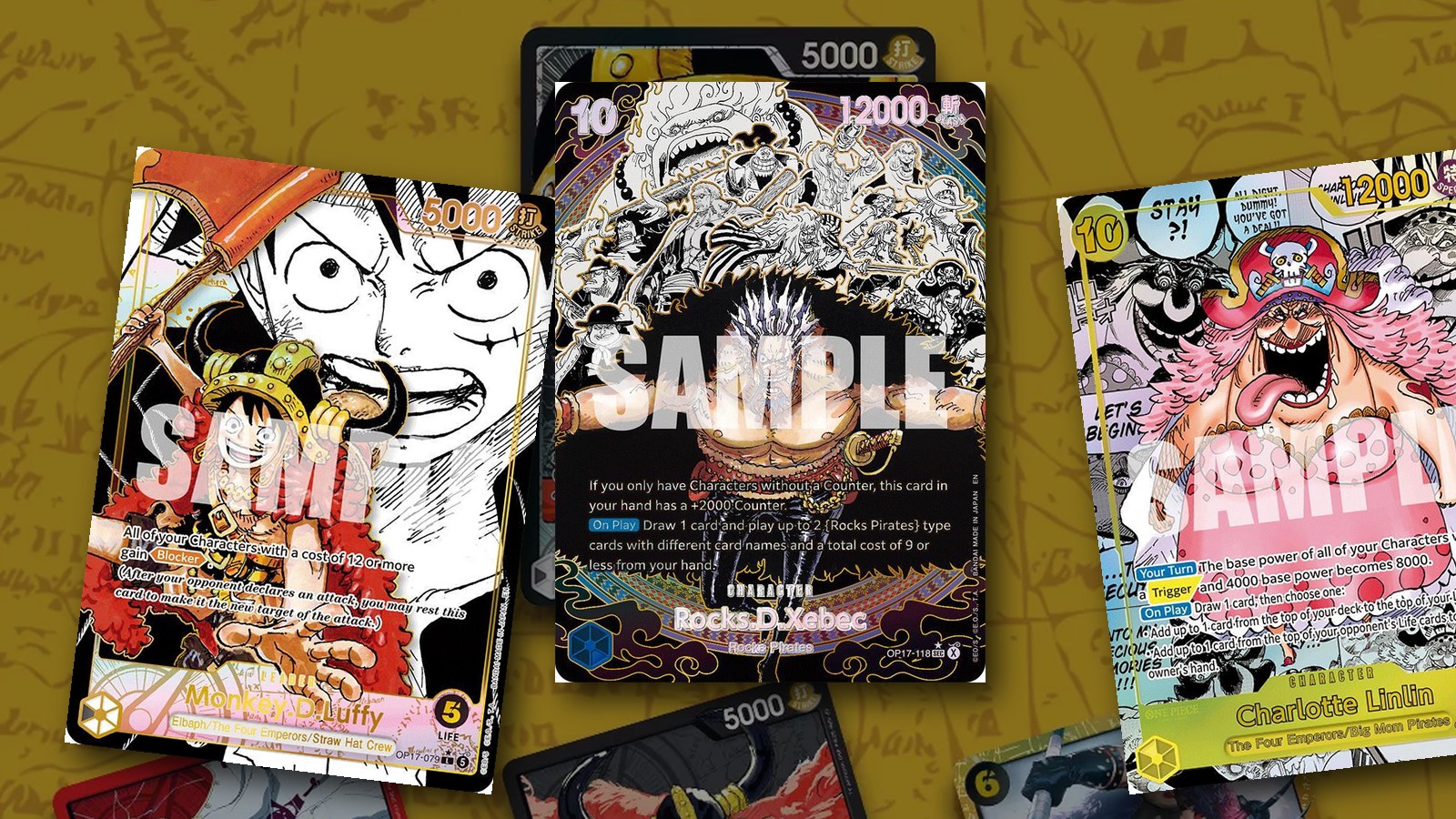
The game benefits from a globally recognized story, character-led collecting, organized play, and frequent products. Competitive support can revive older singles when a new leader or archetype appears. Collector demand can remain focused on Luffy, Shanks, manga rares, anniversary cards, and event promos even when those printings are not tournament staples.
TCGplayer's September 2026 report required at least ten sales in its analysis and linked several increases to new OP-17 deck support. That is stronger evidence of active demand than a single high asking price.
Supply is improving, and selectivity matters
More releases and reprints can reduce scarcity in standard cards while premium treatments remain difficult to pull. That is healthy for players who need accessible deck pieces, but it means collectors should identify the exact printing before comparing values.
A busy market does not lift every card. New-set corrections, reprints, changing deck lists, and speculative buying can all send prices the other way. As the catalog grows, listing depth and a real price history become more useful than hype.
The status today
One Piece is now a major English-language trading card category with sustained marketplace visibility, a dense 2026 product schedule, and active collector attention. The evidence supports continued relevance—not a promise of permanent price appreciation.
For collectors, the practical takeaway is simple: the game has a large, active market, but broad popularity is not a price guarantee. Check the exact card, the number of available copies, and its recorded movement before deciding whether a listing is fair.